
How to Contact a Contracting Officer
Who they are, when it is appropriate to get in touch, what to ask, and the point after which you should stop.
Who you are writing to
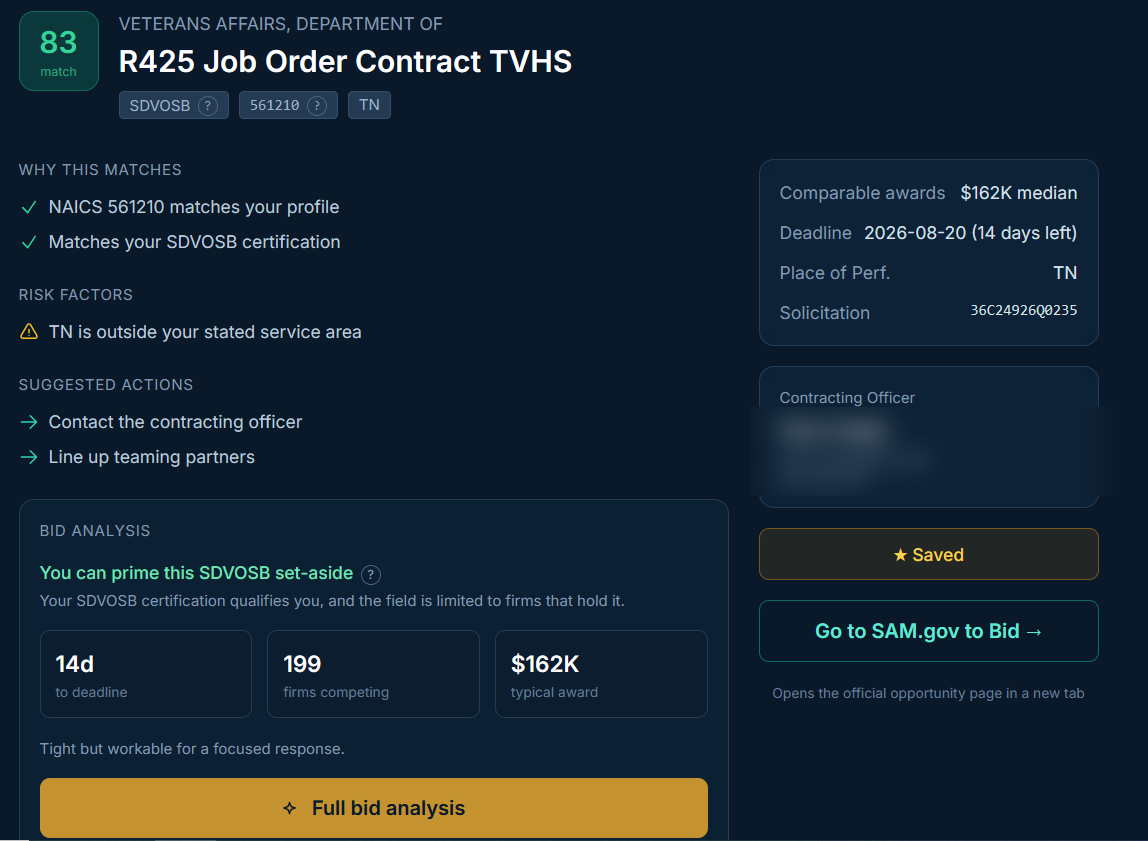
Every notice names a point of contact, and for most small solicitations that is the contracting officer (CO) — the only person with authority to obligate the government to a contract. You may also see a contract specialist, who does much of the day-to-day work, or a contracting officer's representative (COR), who oversees delivery after award. If a notice lists a primary and a secondary contact, write to the primary and copy the secondary.
Getting in touch is normal
Contacting them is normal and expected. New contractors often assume reaching out looks pushy or risks disqualification; it does not. What matters is timing, channel and content. Ask through the method the notice specifies — many say questions must go to a named inbox, or be submitted through SAM.gov itself — and ask before the questions deadline, which is usually well before the response deadline.
Keep it written and keep it short. Lead with the solicitation number, say who you are in one line, and ask specific questions you genuinely cannot answer from the documents. “Is this set aside for SDVOSB?” is answered in the notice and wastes both parties' time. “The PWS references Attachment C, which does not appear in the posted documents — can it be provided?” is a good question, and one other bidders benefit from too.
Assume your question will be published
Expect your question and its answer to be published. Agencies routinely post questions and answers as an amendment visible to every bidder, usually without naming who asked. Do not put anything in a question that reveals your pricing approach or a technical advantage you would rather competitors did not see.
When to stop
After proposals are due, stop. Between the response deadline and award, agencies generally limit contact to preserve fairness, and a well-meaning follow-up can create an awkward situation for the CO. The exception is if they contact you — clarification requests, or a request for final revisions, which you should answer promptly and exactly as asked.
The conversation actually worth having
There is one conversation worth having outside a live solicitation, and it is the most valuable one: market research. Responding to a Sources Sought notice, or asking to introduce your capability before a requirement is written, is how small firms get on an agency's radar early. That is a different conversation from bidding, it happens months earlier, and it is often what decides whether a contract ends up set aside for firms like yours.
Finally, note that a contracting officer's name, email and phone are published by the government on the notice itself. They are public information, but they belong to a person doing a job. Treat the channel accordingly and it will keep working for you.
Related reading
Stop reading SAM.gov by hand
PathfinderBid ranks every open federal solicitation against your company profile, so you see the ones worth your time instead of the ten thousand that are not. Free to try, no card required.
Get started free